The process
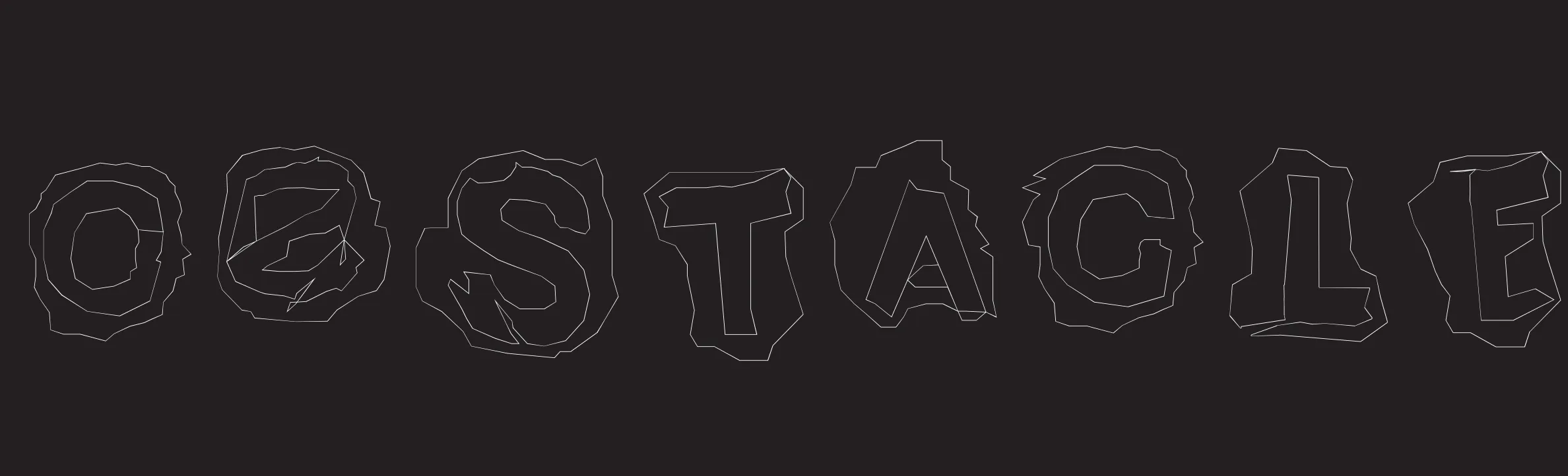
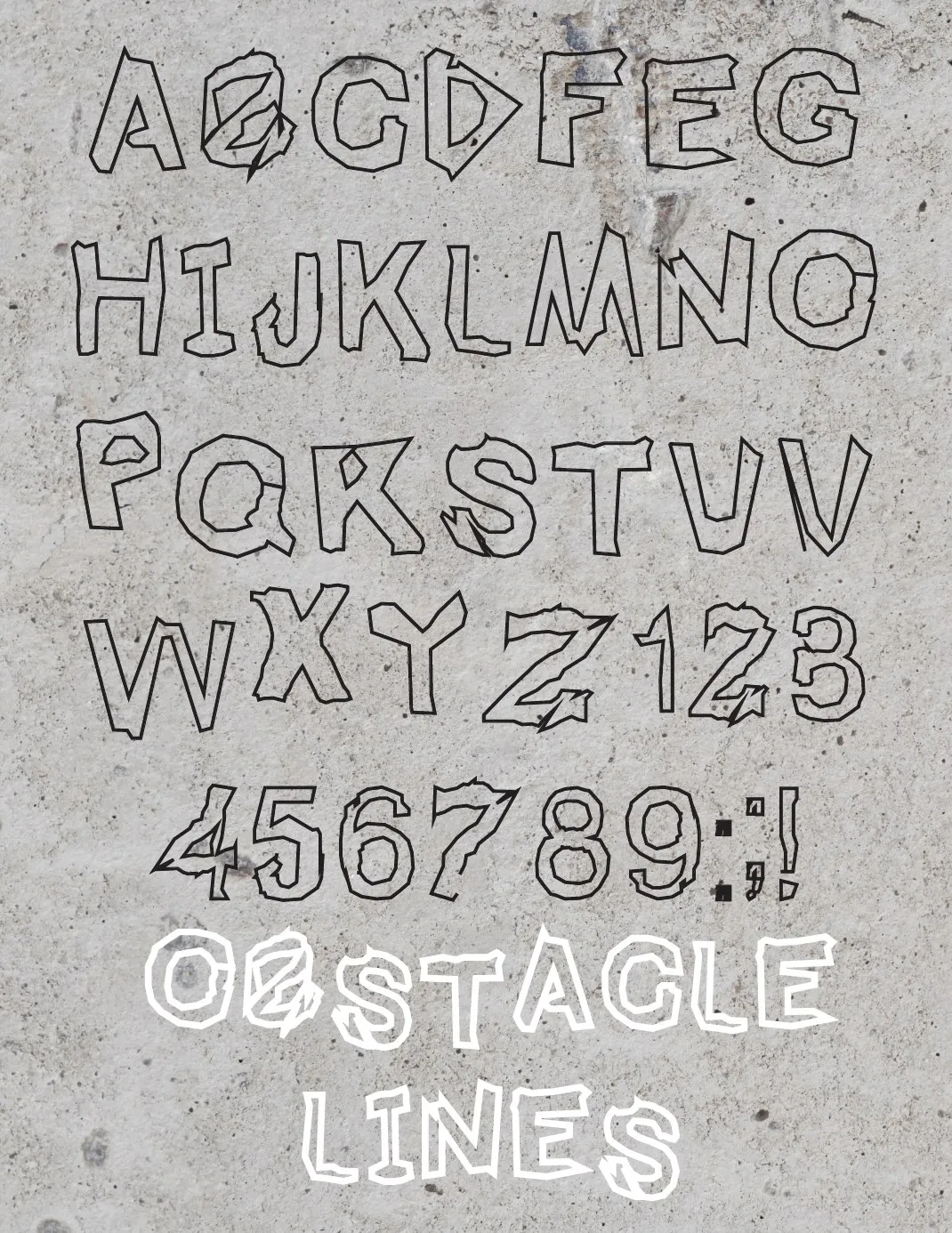
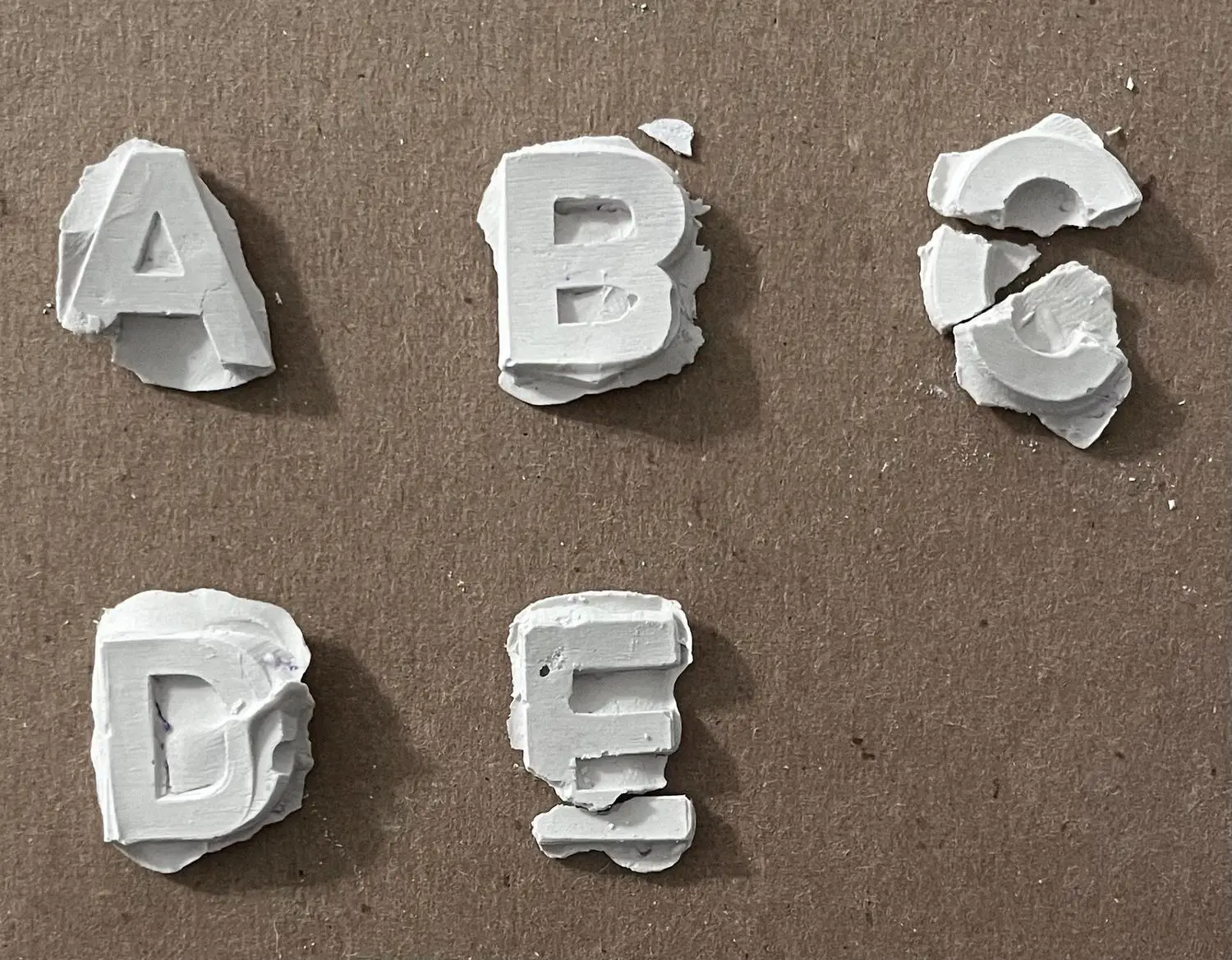
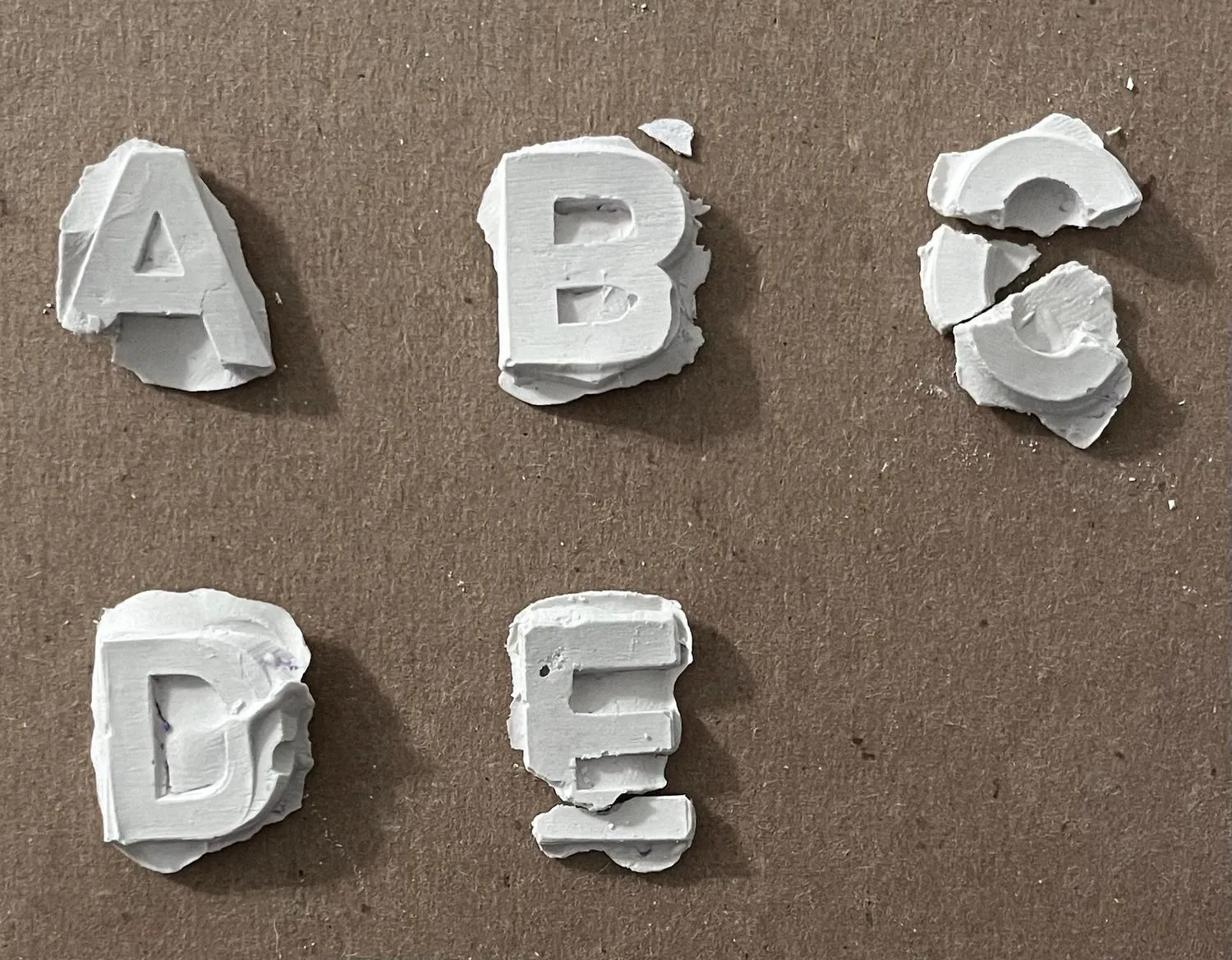
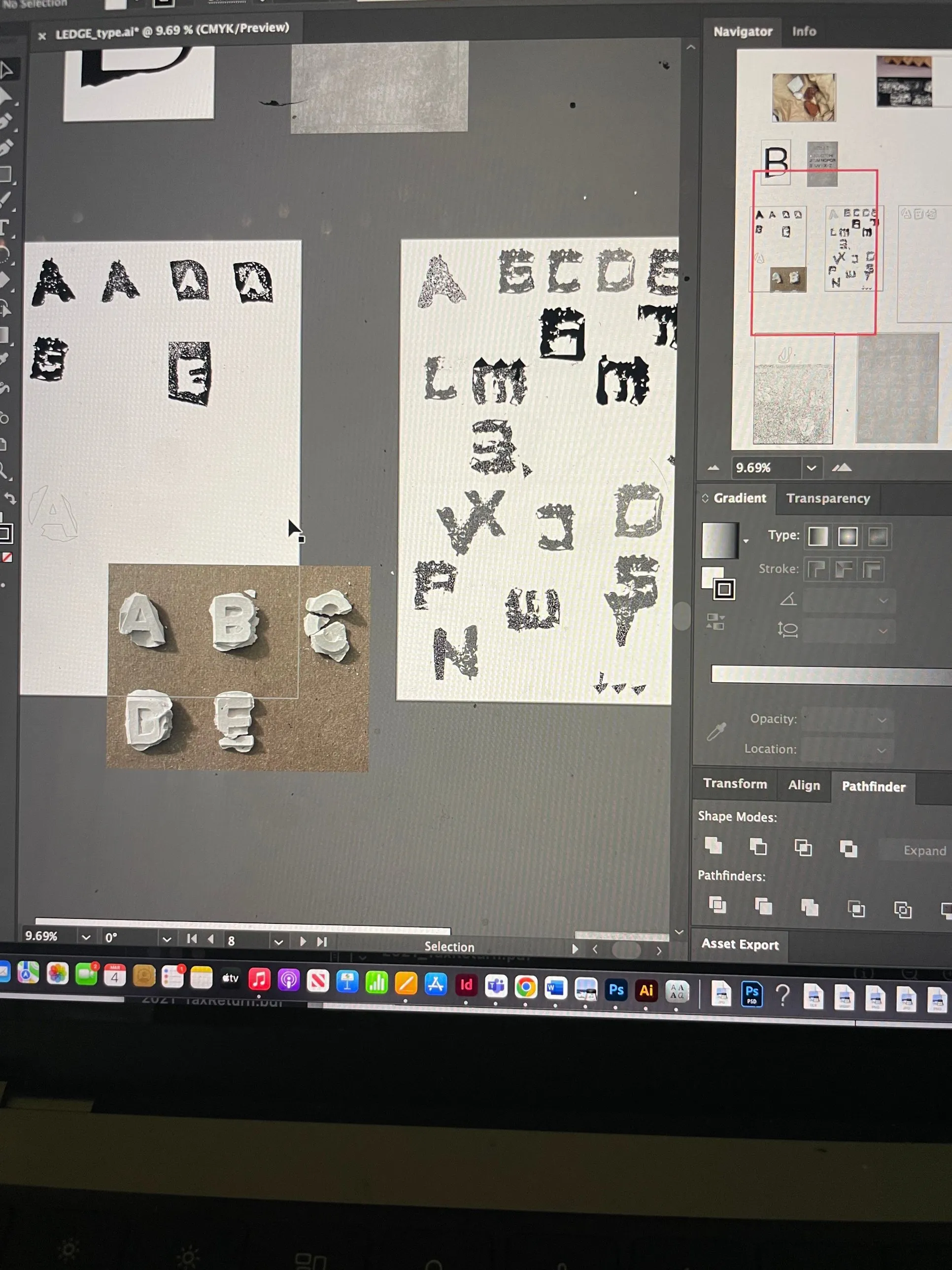
I cast an uppercase set in plaster from wax molds. The letters broke in casting, and I scanned the pieces as they came out. Every chip, crack, and missing corner in the final alphabet came from an actual break.
Experimental display typeface
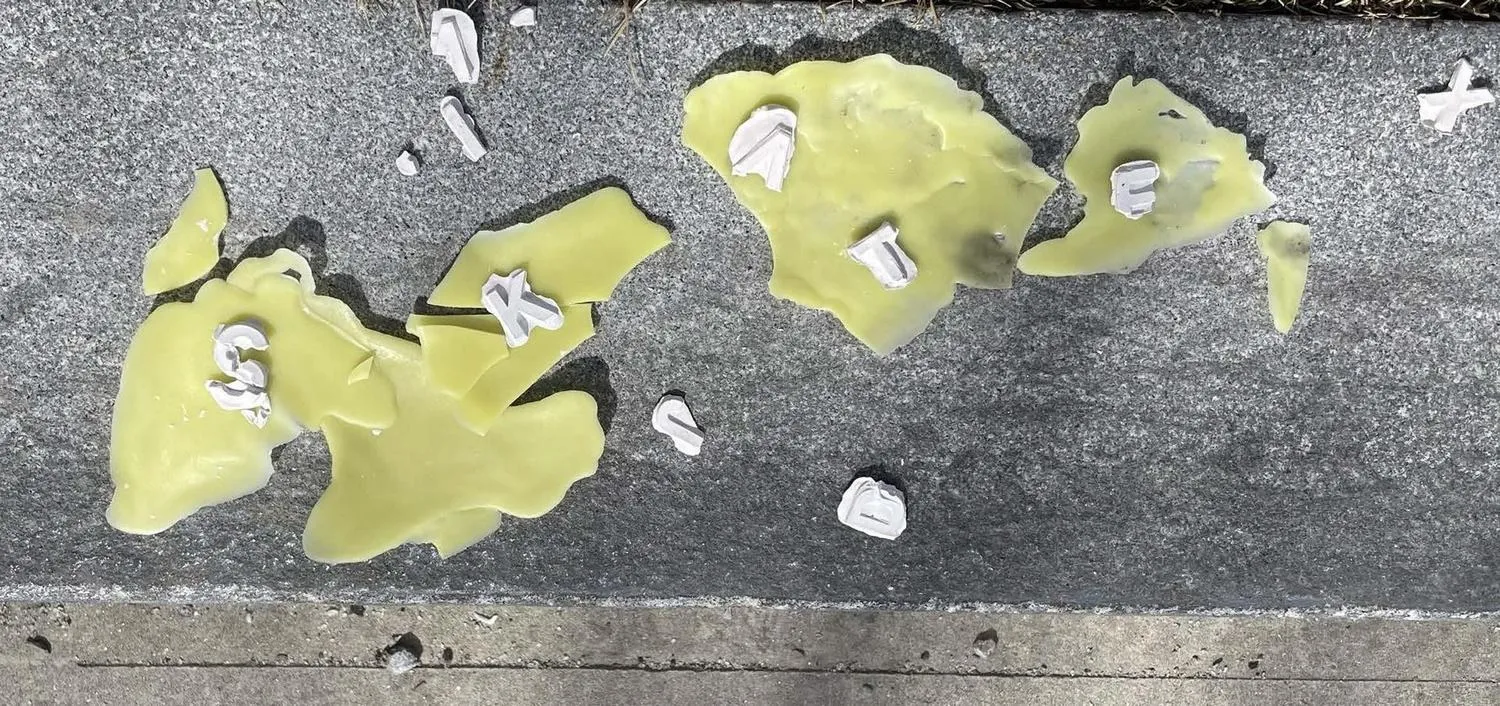
I cast an uppercase set in plaster from wax molds. The letters broke in casting, and I scanned the pieces as they came out. Every chip, crack, and missing corner in the final alphabet came from an actual break.
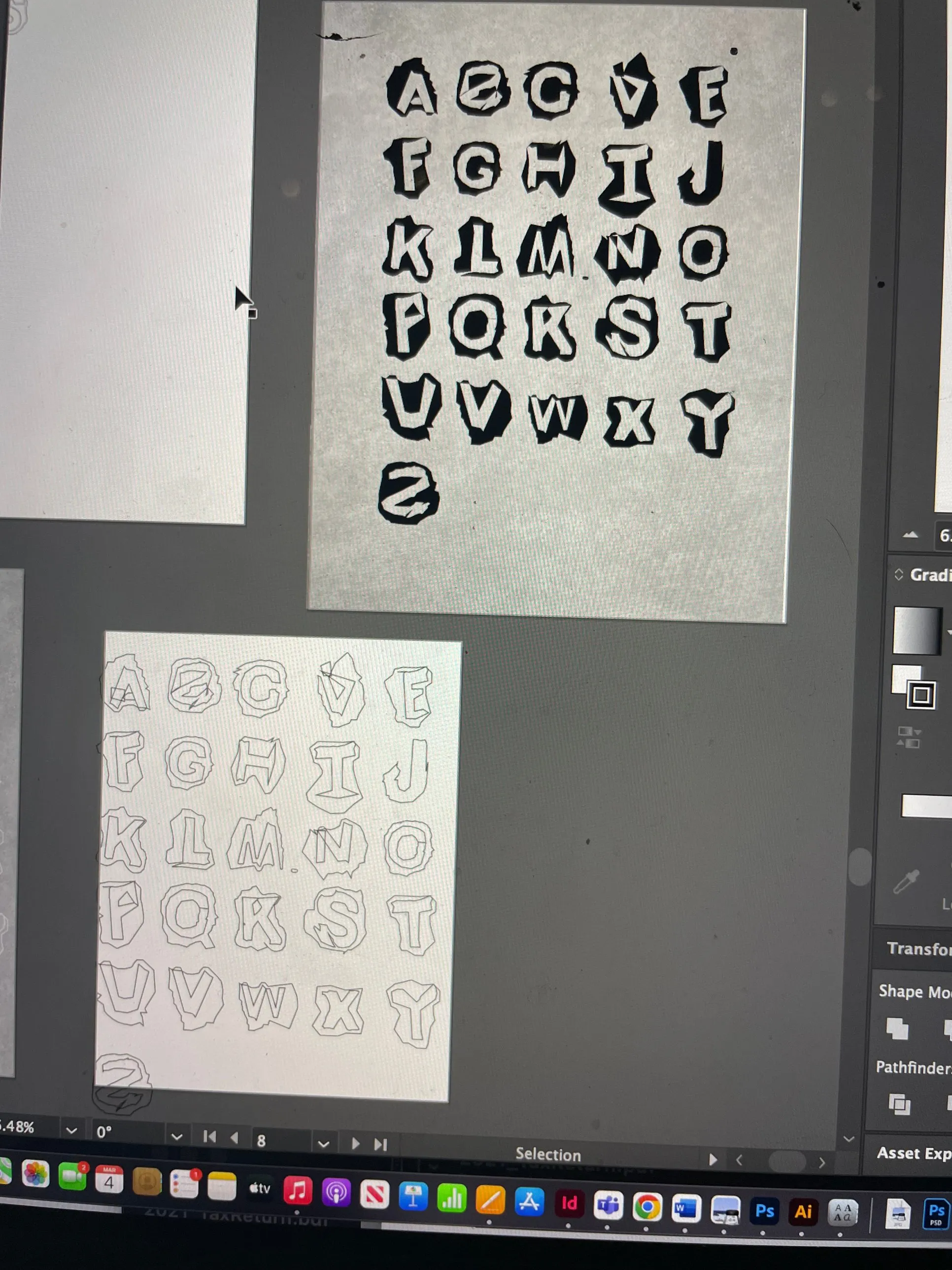
The set stays legible because the damage is uneven. Some letters come through nearly intact, others lose a corner or split through the counter. No two fail the same way, which is how erosion actually works — the same conditions produce different results across a single inscription.